
20 May 2026 | Wednesday | Interaction
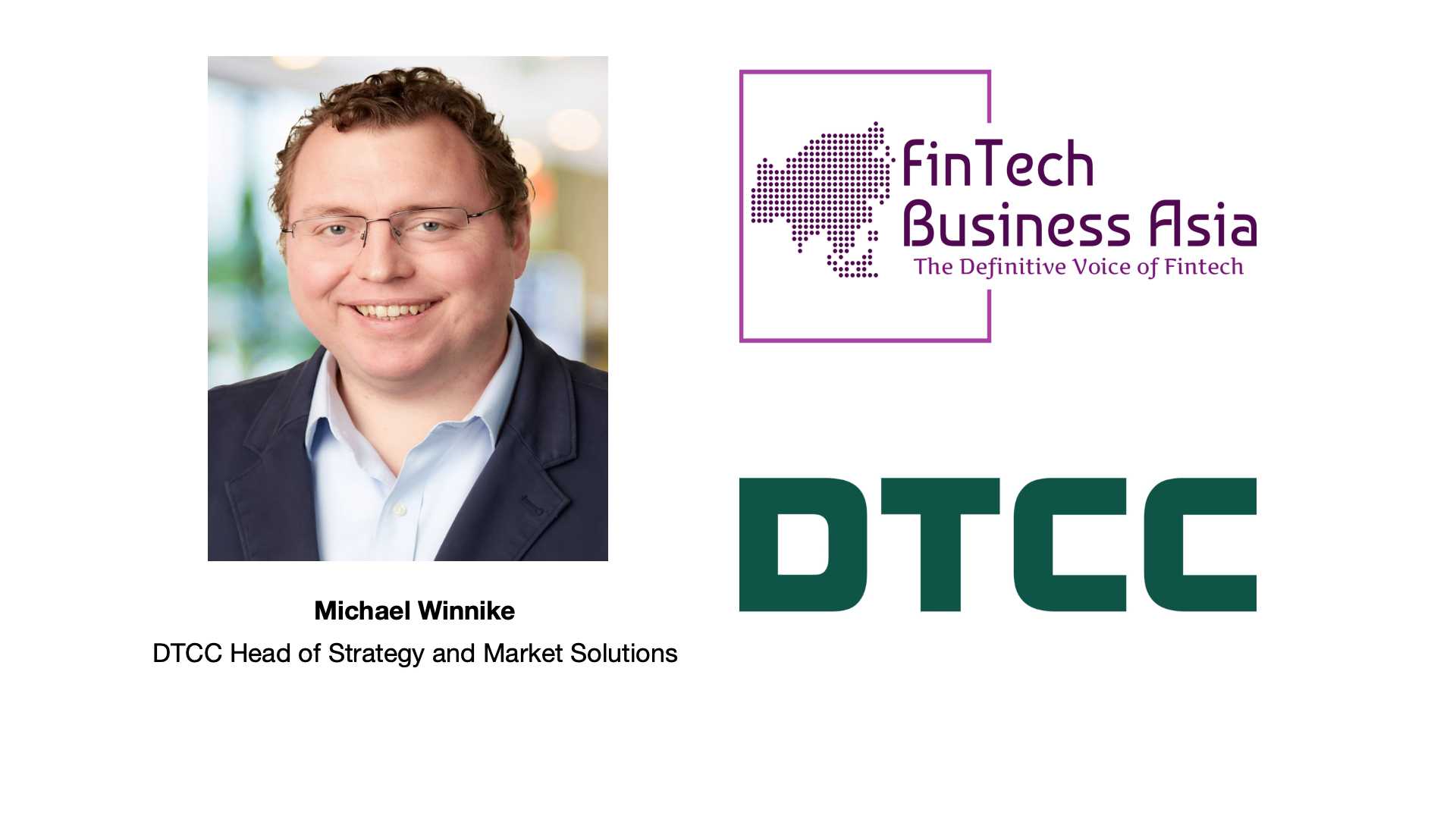
FinTech Business Asia speaks with Michael Winnike about DTCC’s vision for building the next generation of tokenized market infrastructure, the growing convergence of traditional finance and blockchain ecosystems, and how digital assets could unlock greater efficiency, liquidity, and interoperability across global capital markets. The conversation also explores regulatory readiness, industry collaboration, and the future role of tokenization in reshaping post-trade operations worldwide.
Q: With Depository Trust & Clearing Corporation positioning tokenization as a bridge between traditional finance and decentralized ecosystems, how do you see this initiative fundamentally reshaping post-trade infrastructure over the next decade?
A: Within the core depository, we are looking at how tokenization can extend existing market infrastructure into blockchain ecosystems to unlock new value verses serve as a wholesale replacement for industry.
Enable new utility 24/7 mobility, more efficient collateral management, expansion of access, automation of lifecycle events through programable assets while enabling robust governance, compliance, resilience that trusted institutions like DTCC are known for.
Q: The involvement of more than 50 firms in DTCC’s initiative suggests strong industry alignment—how are you managing differing priorities across banks, asset managers, and crypto-native players to create standardized solutions?
A: DTCC has a 50+ year history of driving industry change, and we’re both humbled and proud to be driving widespread tokenization adoption. As an industry-owned organization, DTCC is uniquely positioned to develop infrastructure that supports long-term sustainability and fosters greater prosperity within the market.
As a financial market infrastructure, we are able to bring together transfer agents, exchanges, alternative trading systems (ATS), custodians, banks, broker-dealers and others, many of whom compete with each other. The members of the Industry Working Group have different priorities but understand the value tokenization will bring to markets and the importance of a common resilient infrastructure.
And as part of our tokenization platform, we’ve embraced digital concepts such as composability, where DTCC tokens can be used across a vast spectrum of use cases ranging from an institutional equity purchase or collateral in a DeFi protocol. Our tokens are built upon existing standards so they can be seamlessly plugged into applications that are being built for different applications that meet the needs across many segments and unlock innovation.
Our approach has been to build a platform on which other firms can build capabilities – and even entirely new business models – that is open to incumbents and new players alike. We are creating a strong, solid foundation without dictating or prioritizing any single use cases. Each institution will innovate at a pace that benefits them while still having interoperable rails for tokenized assets.
Q: DTCC has indicated a phased rollout timeline, including limited production trades before full launch. What are the key operational or regulatory risks that could impact execution?
A: We understand this is a novel workflow for clients so we’re building in time for testing and education. We have a crawl, walk, run approach. Each firm has a different phase of readiness and individual levels of adoption, but what they all have in common is a strong interest in our platform and to help shape and advance the next generation of digital infrastructure.
One factor that is critical to long-term success is educating members about blockchain, cybersecurity and operational characteristics of the shared infrastructure.
We’re focused on educating our clients about implementing the right infrastructure, evolving their policies and procedures and recognizing that each company will have different levels of maturity and different use cases.
From a regulatory perspective, we specifically kept the scope of initial tokenized assets under the No-Action Letter to liquid assets. And we’ve made commitments in the No-Action Letter to meeting the resiliency requirements of regulators and clients.
Q: The initial focus appears to be on highly liquid assets such as equities, ETFs, and government securities. How do you plan to expand tokenization into less liquid or more complex asset classes over time?
A: Ultimately, our ambition is to give our clients the choice to tokenize everything they have at depository, which is why we thought that starting with a subset of highly liquid assets makes sense.
We see value in eventually extending into new asset classes, including less liquid ones like ADRs and corporate bonds, but we want to coordinate with our members and regulators to mature the platform over time.
Q: Tokenization promises faster settlement, improved liquidity, and enhanced transparency. What measurable efficiency gains should market participants realistically expect in the early stages?
A: We expect that in the early stages, institutional market participants will engage in tokenized ecosystems because of net new capabilities that they don’t have in traditional assets today – 24/7 collateral mobility or intraday / after hours financing trades.
We think that as tokenization evolves into later phases, market participants will look at incremental efficiency enhancements, for example, we’ve had conversations with clients about the use digital tokens for cash purposes and receiving payments on the weekends with faster settlement.
Q: Given DTCC’s global role in market infrastructure, how do you see tokenized securities adoption evolving in Asia-Pacific markets, and what role will regional regulators and exchanges play?
Our model is intended to operate globally. We understand that with the No-Action Letter, direct users of the service will initially only be U.S. persons. However, we believe that non-U.S. clients could access it through a U.S. custodian or broker-dealer.
Regional regulators will play an important role in ensuring investor protections are required for their jurisdictions and cooperate on common standards, similar to today.
Our hope is that by creating options to operate 24/7, we are creating a novel infrastructure that can better serve markets outside U.S., but it won’t change regulatory treatment of operating in those jurisdictions.





Fintech Business Asia, a business of FinTech Business Review
© 2026 FinTech Business Review. All Rights Reserved.