
08 May 2026 | Friday | Interaction
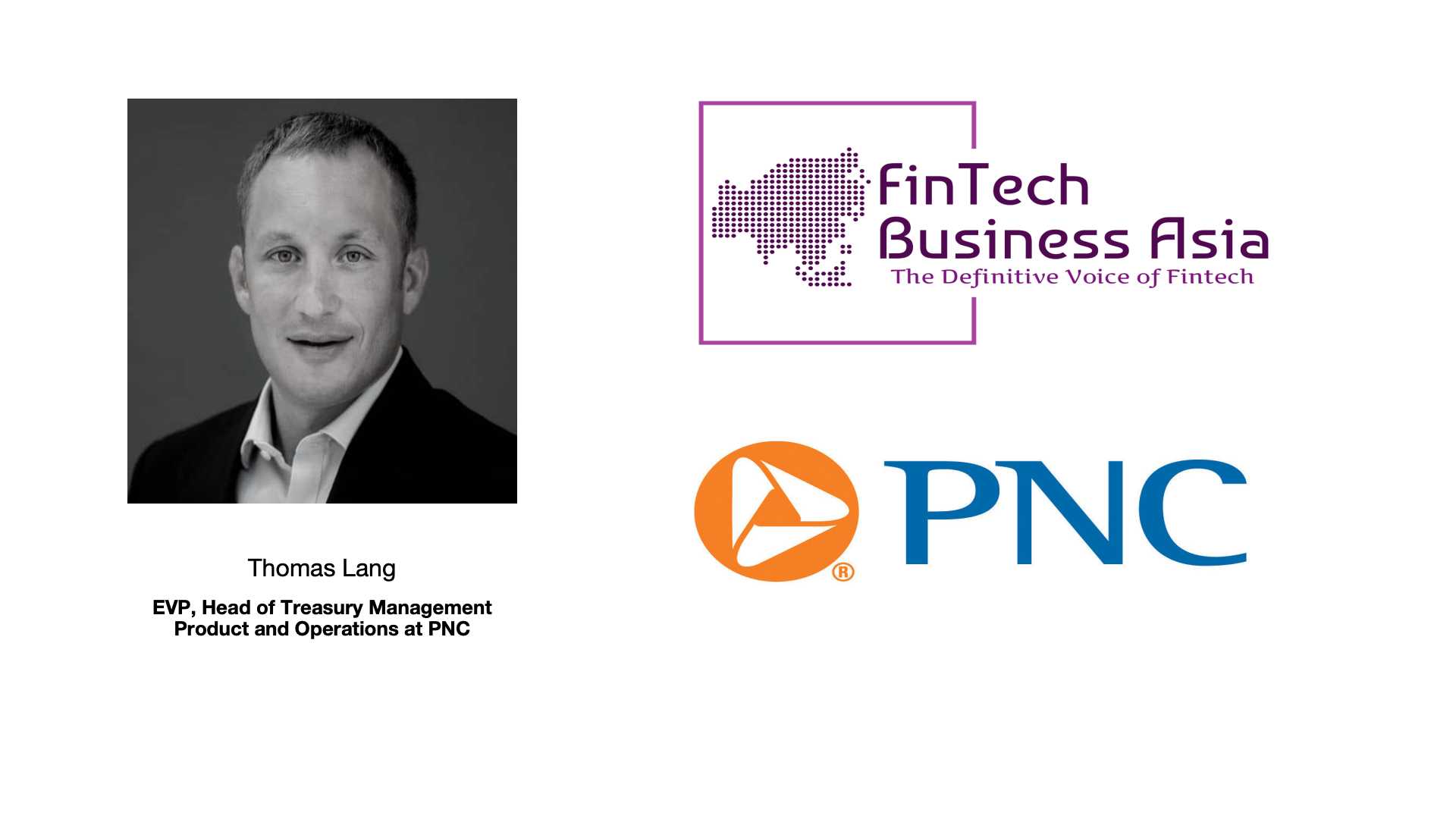
In this conversation with Fintech Business Asia, Tom Lang shares how PNC Bank is reshaping insurance claims payments by replacing manual, paper-based processes with digital, multi-party payment workflows. He discusses how the bank’s expanded Claim Payments & Remittances platform leverages instant payment rails, enhanced transparency, and scalable infrastructure to improve efficiency for insurers, vendors, and policyholders alike. Lang also highlights the role of PNC’s collaboration with ECHO Health, Inc. in delivering secure, flexible, and customer-centric claims payment experiences.
PNC’s expanded solution targets complex, multi-party claims in property and casualty insurance—how does this address long-standing inefficiencies in claims disbursement across insurers, vendors, and policyholders?
Multi-party claims have long been burdened by paper checks, manual endorsements, and physical handoffs between insurers, vendors and policyholders—introducing delays, risk and frustration at every step. PNC’s expanded solution digitizes this process end to end. By enabling secure, digital approval and routing of payments among multiple parties, the platform eliminates the need for checks to be physically endorsed and passed along. The result is faster settlement, fewer operational bottlenecks, improved auditability and a significantly better experience for both policyholders and vendors—who receive funds quickly and in their preferred payment method.
By integrating multiple electronic and instant payment options, how do you expect this platform to reshape customer expectations around speed and transparency in insurance payouts?
Speed matters, but choice and trust matter just as much. While claimants expect faster payouts, their comfort levels with payment methods vary widely. Some prefer not to share bank account details; others prioritize convenience or instant access to funds.
By offering a broad mix of options—including multiple instant payment rails, ACH, debit card payouts and digital checks, the platform meets customers where they are. This flexibility, combined with near real time delivery and greater visibility into payment status, raises the bar for transparency and reinforces confidence in the insurer. Ultimately, it helps insurers turn the claims moment into a positive, differentiating customer experience.
The solution builds on the existing Claim Payments & Remittances (CPR) platform—what key learnings from healthcare insurance payments have influenced its expansion into property and casualty?
Healthcare payments are among the most complex in the insurance ecosystem, involving multiple payees, detailed remittance data, compliance requirements and regulatory reporting.
Our success in digitizing these workflows through the CPR platform provided critical learnings that translate directly to property and casualty. Those include building and maintaining robust payment networks, handling complex remittance information electronically, ensuring compliance and security at scale, supporting diverse integration models, and managing downstream needs such as lien handling, 1099 reporting and escheatment. These capabilities form a strong foundation for addressing similarly complex disbursement challenges in P&C insurance.
With a continued partnership with ECHO Health, Inc., how are responsibilities divided between payments infrastructure and claims technology to deliver a seamless experience?
The experience begins with PNC’s direct relationship with insurers, providing access to its full suite of treasury management and credit solutions. PNC delivers the regulated payment infrastructure, covering check, card, and electronic payment rails, including instant payment options such as Zelle® and RTP®—ensuring reliability, security and scale.
ECHO complements this by providing the specialized claims payment technology layer. Its platform handles insurers’ claims data, orchestrates workflows, delivers a user friendly experience, provides multi-layered fraud prevention and supports reconciliation and reporting. Together, PNC and ECHO combine bank grade infrastructure with purpose built claims technology to deliver a seamless, end to end solution.
Given that the platform is designed for large insurers handling high claim volumes, how scalable is the solution for regional or mid-sized insurers, particularly in emerging Asian markets?
The platform is built to scale efficiently for insurers of all sizes, however it is not intended for the Asian markets. Native integrations with leading claims administration systems enable fast onboarding, regardless of claim volume. As a result, the solution is well suited not only for large national insurers, but also for regional and mid-sized carriers looking to modernize payments without significant technology investment. These carriers gain access to the same instant payment capabilities, and advanced fraud prevention tools typically available only to larger insurers. Importantly, the platform can scale in production alongside each client’s growth, allowing insurers to focus on expanding their business rather than managing payments complexity.
As banks increasingly compete with specialized fintech providers in insurance payments, how does PNC differentiate its offering as a regulated financial institution while still delivering flexibility and innovation?
PNC differentiates our CPR service by combining the strength and regulatory rigor of one of the largest financial institutions in the U.S. with the specialized innovation of a leading fintech. Insurers benefit from bank grade security, compliance, and balance sheet stability—alongside modern, flexible payment experiences typically associated with fintechs. This partnership allows insurers to deliver fast, customer centric payouts, streamline internal operations, and rely on a trusted financial institution for mission critical payment flows—ultimately supporting better outcomes for policyholders, employees and shareholders alike.





Fintech Business Asia, a business of FinTech Business Review
© 2026 FinTech Business Review. All Rights Reserved.