
10 July 2026 | Friday | Interaction
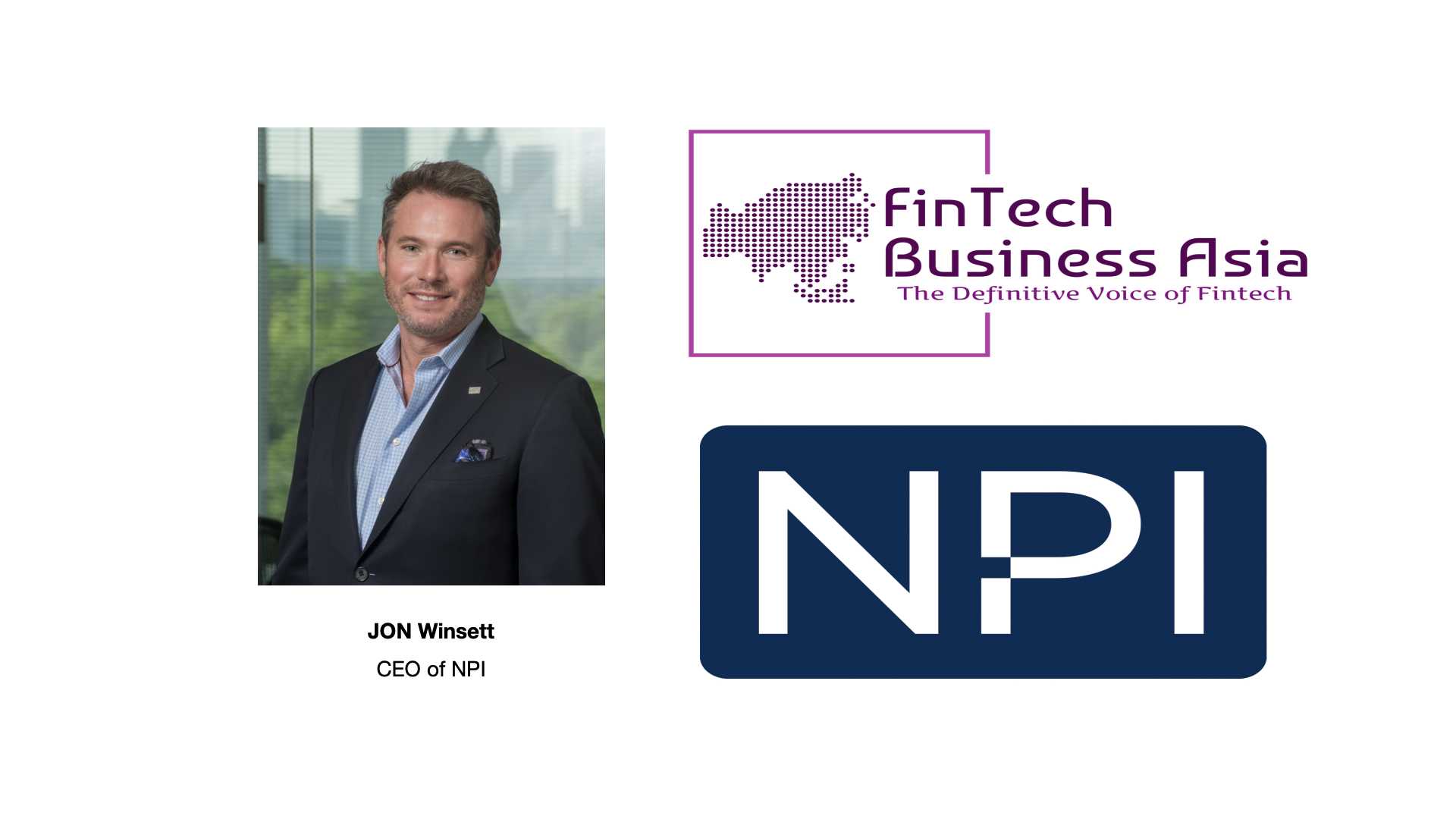
As AI-driven pricing models, cloud subscriptions, and complex software licensing reshape enterprise technology procurement, organizations across Asia-Pacific are under increasing pressure to improve financial governance and optimize IT investments. In an exclusive interview with FinTech Business Asia, Jon Winsett, CEO of NPI, discusses the launch of the company's AI-powered PRISM platform, the evolving balance of power between technology vendors and enterprise buyers, and why proactive negotiation strategy is becoming essential for achieving better renewal outcomes and controlling technology spend.
Q: NPI’s new PRISM platform aims to help enterprises shape IT renewal outcomes before vendors even present a quote. What market trends or customer pain points convinced NPI that organizations need a more proactive approach to technology procurement and contract renewals?
A: For years, enterprise procurement teams have focused most of their attention on evaluating vendor proposals after they arrive. That approach made sense when pricing models were relatively predictable and renewals followed familiar patterns. Today’s market looks very different.
Technology vendors have become far more sophisticated in how they prepare for renewals. They understand their customers’ environments, know how deeply their products are embedded in the business, and usually begin shaping renewal strategy months before the customer ever receives a proposal. At the same time, enterprises are dealing with increasingly complex licensing models, subscription pricing, AI add-ons, cloud consumption, and usage-based contracts that can fluctuate significantly over the course of a year.
We’ve also seen a noticeable shift in the balance of preparation. Vendors invest heavily in account planning, pricing analytics, competitive intelligence, and negotiation training. Many enterprise buying teams, on the other hand, don’t begin preparing until the first renewal meeting is scheduled or the first quote arrives. By then, important decisions have already been made on both sides, and valuable opportunities to influence the outcome have been lost.
Our clients repeatedly told us they wanted help earlier in the process. They weren’t looking for another benchmarking report after pricing had already been established. They wanted guidance during the planning phase, when they still had options to strengthen their position.
That feedback led directly to the development of PRISM. We designed it to support the period before negotiations formally begin, which we think is where the greatest leverage-building opportunity exists. The platform brings together contract analysis, supplier intelligence, stakeholder alignment, and negotiation planning into a structured process, giving procurement teams a clearer understanding of where leverage is and how to use it effectively.
Another challenge is internal alignment. Large technology renewals involve procurement, IT, finance, security, legal, and business leaders. When those groups aren’t aligned on priorities, acceptable tradeoffs, and long-term objectives, vendors often recognize those gaps and use them to their advantage. Helping organizations develop a unified strategy before engaging suppliers has become just as important as understanding market pricing.
Ultimately, PRISM reflects a simple observation from working on enterprise technology negotiations for more than two decades. The organizations that achieve the strongest outcomes are rarely the ones that negotiate the hardest. They’re the ones that prepare the smartest and the earliest. Better preparation leads to better renewal outcomes before pricing is ever put on the table.
Q: As software licensing, cloud subscriptions, and AI-related technology spending continue to rise, how significant is the financial impact of poorly managed IT renewals on large enterprises, and what role can data-driven intelligence play in reducing unnecessary costs?
A: IT renewals are one of the largest categories of recurring enterprise spending. Even relatively small pricing or contractual inefficiencies can translate into millions of dollars over the life of an agreement.
The financial impact extends well beyond paying a higher price. Organizations frequently renew products that are underutilized, accept licensing models that no longer match business needs, overlook contractual provisions that create future cost exposure, or agree to AI capabilities that were never part of the original technology strategy. Those decisions compound over multiple renewal cycles, making each subsequent negotiation more difficult and more expensive.
The rapid expansion of AI has added another layer of complexity. Procurement teams are now evaluating consumption-based pricing, token usage, premium AI features, and evolving licensing models that simply did not exist a few years ago. Understanding what represents fair commercial value requires much more than comparing last year’s contract to this year’s proposal.
This is where data-driven intelligence becomes increasingly valuable. Good data provides context, not just numbers. Pricing benchmarks remain an important part of any negotiation, but they represent only one piece of the picture. Procurement leaders also need insight into vendor pricing behavior, competitive positioning, contract risk, market dynamics, and the commercial pressures influencing supplier decisions.
When organizations combine those perspectives, they make better decisions before negotiations even begin. They can identify where concessions are most likely, recognize contract terms that deserve closer attention, understand which requests are commercially reasonable, and prioritize the issues that will have the greatest long-term financial impact.
Another advantage of data-driven intelligence is improving internal decision making. Procurement, finance, and technology leaders often approach renewals from different perspectives. Shared data helps create a common understanding of business priorities, investment objectives, and acceptable tradeoffs. That translates into more consistent, confident negotiations.
The greatest savings opportunities often come from decisions made well before the final negotiation meeting. Organizations that prepare earlier, evaluate contracts more thoroughly, and enter discussions with a clear understanding of both market conditions and supplier behavior are consistently better positioned to reduce unnecessary spending while maintaining strong supplier relationships.
As enterprise technology portfolios continue to grow, data-driven intelligence is becoming less of a competitive advantage and more of a business necessity.
Q: PRISM emphasizes predictive supplier intelligence and negotiation strategy. How does NPI gather and analyze vendor-specific insights, and what differentiates its approach from traditional benchmarking or procurement advisory services?
A: One of the biggest misconceptions in enterprise procurement is that pricing alone determines negotiation outcomes. Pricing matters but understanding how and why a vendor arrives at that price often has an even greater influence on the conversation.
NPI has spent more than two decades supporting enterprise technology negotiations across thousands of vendors and tens of thousands of engagements. During that time, our analysts have accumulated a significant body of institutional knowledge about supplier behavior, commercial strategies, pricing patterns, negotiation tactics, and the factors that influence vendor decision making. PRISM brings that knowledge together in a way that allows procurement teams to apply it before negotiations begin.
Predictive supplier intelligence combines multiple sources of information. We analyze market conditions, competitive activity, vendor financial performance, pricing trends, product direction, licensing changes, and historical negotiation outcomes. Just as importantly, we examine how suppliers have responded in similar enterprise negotiations, where they have demonstrated flexibility, and which contract provisions they consistently work to protect.
Traditional benchmarking typically answers one important question: Is this price competitive? While valuable, it represents only one dimension of a successful negotiation.
PRISM expands that perspective by helping organizations understand the broader commercial environment surrounding the renewal. Why is the supplier approaching the negotiation this way? What business pressures are influencing their priorities? Which requests are likely to gain traction? What sequence of discussions creates the strongest negotiating position? Those are the questions procurement leaders increasingly need answered.
Another important differentiator is the emphasis on execution. Intelligence only creates value when teams know how to use it. PRISM translates supplier insights into practical negotiation guidance through leverage pillars, stakeholder alignment, negotiation talk tracks, and a structured roadmap that helps deal teams prepare for each stage of vendor engagement. Rather than delivering information and expecting procurement teams to develop strategy on their own, the platform connects intelligence directly to action.
We also place significant emphasis on internal preparation. Many procurement solutions focus almost exclusively on the supplier. Our experience shows enterprise negotiations are equally influenced by how well stakeholders align before external conversations begin. Building that internal alignment strengthens credibility, improves decision-making, and creates a more consistent negotiating position throughout the renewal process.
Q: Many CFOs and procurement leaders across Asia are under pressure to maximize returns on technology investments while controlling budgets. How can platforms like PRISM help organizations improve financial governance and technology-spend transparency in today’s economic environment?
A: Technology spending has become one of the largest, fastest-changing areas of enterprise investment. At the same time, CFOs are being asked to fund AI initiatives, modernize infrastructure, strengthen cybersecurity, and support digital transformation, often without corresponding increases in budget. This has made financial governance around technology spending far more important than it was even a few years ago.
One of the biggest challenges is that technology costs are no longer confined to traditional software licenses. Organizations are managing cloud subscriptions, consumption-based services, AI models, usage fees, bundled products, and increasingly complex commercial agreements. Many of these costs are dynamic rather than fixed, making it harder to forecast spending and evaluate long-term financial commitments.
Procurement leaders are in a unique position because they sit at the intersection of finance, IT, and the supplier community. They have visibility into contracts, pricing, vendor relationships, and purchasing decisions across the organization. Platforms like PRISM help transform that visibility into actionable intelligence before major financial commitments are made.
PRISM also encourages organizations to prepare for renewals well before negotiations begin. Instead of evaluating a proposal after pricing has already been established, procurement teams have an opportunity to assess their existing agreements, identify contractual risks, align stakeholders, and develop a negotiation strategy while they still have flexibility. That preparation supports better governance because decisions are driven by planning rather than time pressure.
Another important benefit is greater consistency. Large enterprises often negotiate hundreds of technology renewals every year. Without a repeatable process, outcomes can vary significantly depending on the experience of individual negotiators or the amount of time available before a contract expires. A structured approach helps organizations evaluate renewals using the same commercial framework, identify recurring risks, and capture institutional knowledge that can be applied across future negotiations.
Ultimately, financial governance is about making informed decisions. Better data, stronger internal alignment, and earlier preparation allow organizations to understand not only what they are spending, but why they are spending it and whether that investment supports long-term business objectives. In today’s economic environment, that level of visibility has become an important competitive advantage.
Q: Artificial intelligence is increasingly influencing both vendor pricing models and enterprise buying decisions. How do you see AI reshaping the balance of power between technology suppliers and enterprise buyers over the next few years?
A: AI is changing enterprise technology procurement in two important ways. Vendors are using AI to develop new products, create new pricing models, and accelerate sales strategies. At the same time, enterprise buyers are beginning to use AI to make faster, better-informed procurement decisions. Over the next several years, I believe we’ll see both sides become significantly more sophisticated.
On the supplier side, AI is introducing new commercial models that many organizations are still learning to manage. Consumption pricing, token-based billing, AI agents, premium AI features, and bundled capabilities all introduce greater complexity into enterprise contracts. While creating new opportunities for innovation, it also makes it more difficult for buyers to evaluate long-term costs, compare competing offers, and forecast spending.
At the same time, vendors are investing heavily in AI to improve account planning, customer analysis, pricing recommendations, and sales execution. Sales teams have access to more information than ever before about customer environments, purchasing behavior, product adoption, and renewal opportunities. That allows suppliers to approach negotiations with a high degree of preparation.
The encouraging news for enterprise buyers is AI is also becoming a powerful equalizer. Procurement organizations can now analyze contracts more quickly, identify commercial risks earlier, compare market intelligence across thousands of transactions, and generate insights that previously required weeks of manual effort. Activities that once depended entirely on individual experience are becoming more scalable and repeatable.
That doesn’t mean AI will replace experienced procurement professionals. Enterprise negotiations still require judgment, relationship management, business context, and an understanding of organizational priorities. AI can surface patterns, analyze data, and accelerate preparation, but people remain responsible for making strategic decisions and building consensus across stakeholders.
Buyers will likely become much more disciplined in how they evaluate AI investments themselves. The conversation is already shifting from “How do we deploy AI?” to “How do we govern AI, measure value, and manage long-term costs?” Organizations are becoming more selective about where AI delivers measurable business outcomes and where enthusiasm has outpaced return on investment.
Ultimately, AI will make enterprise procurement more informed, more data-driven, and more strategic. Suppliers will continue to improve their sales capabilities, but buyers will have access to many of the same analytical advantages. Organizations that combine AI with deep market intelligence, experienced procurement professionals, and disciplined preparation will be in the strongest position.
Q: Looking ahead, what opportunities do you see for NPI in Asia-Pacific, and how are enterprises in the region responding to the growing need for smarter procurement intelligence, contract optimization, and technology-spend management?
APAC isn't a monolith, as its maturity curve runs from highly sophisticated buyers in Singapore, China, Australia, and Japan to fast-scaling enterprises across Southeast Asia building procurement discipline as they grow. We're not selling one thing to one market; we're meeting enterprises at different points on the same curve.
What's accelerating demand is that AI consumption is breaking the old procurement playbook. As pricing shifts from predictable per-seat licenses to consumption and token-based models, finance and procurement lose visibility right when spend starts compounding. You can't govern what you can't see. Some APAC enterprises are hitting that wall faster because they've adopted cloud and AI-native tools without a decade-plus of legacy SaaS governance experience in their back pocket. Often, there’s less muscle memory for pushing back on vendors.
The vendors negotiating these contracts are global; they run the same playbooks in Sydney and Mumbai that they run in New York. What's been missing on the buy side is actionable data and insights: what a deal should actually cost, where the leverage sits, and when to engage. Our fair market value benchmarking answers the first question, and PRISM answers the rest by building negotiation leverage before the renewal quote is received.
The biggest opportunity we see right now for procurement in APAC is that leaders are moving from a cost-center mindset to wanting to sit at the strategy table. Those seats are earned by showing up with data the rest of the business doesn't have. The enterprises responding fastest are those treating technology spend as a portfolio to be actively managed, not a stack of renewals to be rubber-stamped.




Fintech Business Asia, a business of FinTech Business Review
© 2026 FinTech Business Review. All Rights Reserved.